
I Need Paracetamol, Man
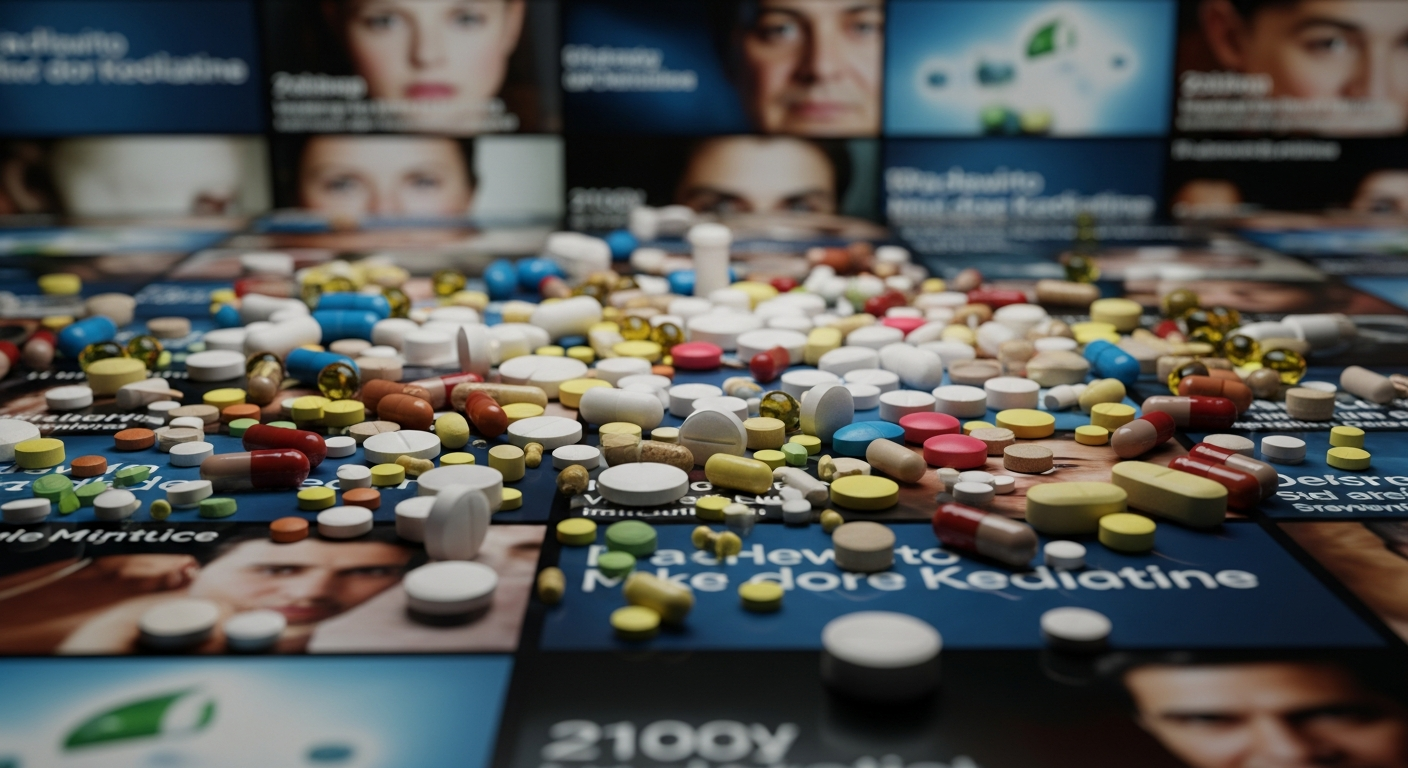
The Dutch healthcare system is famous—or notorious, depending on who you ask—for its "wait and see" approach. It’s rooted in a deep trust in the body’s resilience, though it leads to the common joke that paracetamol is the national cure for everything from a common cold to a broken leg.
In the Netherlands, General Practitioners (Huisartsen) act as strict gatekeepers. Their philosophy is simple: minimize over-treatment and avoid specialists or strong meds unless they are absolutely necessary. It’s the reason the Netherlands has some of the lowest antibiotic resistance rates in the world. We believe the body is often its own best healer.
Then, I moved to West Virginia.
One of the first things that floored me was seeing commercials for prescription drugs on TV. In the Netherlands, Direct-to-Consumer advertising of prescription drugs is illegal (as it is in almost every country except the US and New Zealand).
But what was even more shocking than the ads themselves was the "fine print." While a happy family flies a kite in the background, a friendly, calm female voice informs you of all the side effects that may occur. With the same casual tone someone might use to tell you what colors a car comes in, she lists off things like: pancreatitis, kidney injury, stomach paralysis (gastroparesis), increased suicidal thoughts, heart attack, stroke, and—my personal favorite—death. I sat there wondering: In what kind of shape must you be to even consider taking something that might give you a stroke or cancer just to fix an ailment? Even worse, some claim they not even know how it works, just that it appears to do something.
In the US, patients are often treated as consumers. Drugs are marketed like cars or cereal: "Ask your doctor if Brand X is right for you!" It almost feels as if people are being scared into using them. The ads create a sense of urgency or fear about a condition, only to present the "magic pill" as the only way out.
Back in the Netherlands, you don't ask for a brand. A doctor wouldn't dream of taking financial benefits from a pharmaceutical company, and they will almost always prescribe the least expensive generic version that does the exact same job. There’s no marketing—just medicine.
The logistics are different, too. Back home, patient information is highly centralized. No matter which pharmacy you walk into, they have your data. They know exactly what you’re taking and will instantly flag if a new pill will react badly with an old one. In the US, it feels a bit more like the "Wild West." If you get your meds at CVS, don’t expect Walgreens to know anything about it unless you bring a stack of paperwork with you. Mind you, your pharmacy chain will know what you can or can not take.
I’m still getting used to the idea that my television is trying to diagnose me. For now, I think I’ll stick to the Dutch way: I’ll have a cup of tea, take a paracetamol, and wait and see!